


Buying an electric vehicle often leads to another decision: how to charge it at home. Before choosing equipment, many homeowners want to know whether their electrical panel can support the additional demand.
Installing a home EV charger does not automatically require a panel upgrade. The answer depends on your existing electrical service, the equipment already using it and the charging arrangement you want.
A professional assessment can establish whether the installation needs a new circuit, changes to existing equipment or a broader capacity upgrade. It also helps you choose a charger that suits your home and driving routine before committing to equipment.
What Determines Whether Your Home Can Support an EV Charger?
An electrician needs to evaluate more than the panel’s appearance or the number printed on its main breaker.
The assessment considers the electrical service, panel ratings and condition, existing household loads and the proposed charging equipment. Installation requirements also depend on where you park and how power can reach that location.
The U.S. Department of Energy’s Alternative Fuels Data Center recommends consulting an electrician to determine whether a home has adequate electrical capacity for vehicle charging.
Two homes with the same service rating can have different installation needs. One may already supply electric cooking equipment, water heating and other substantial loads. Another may have a different combination of appliances and more capacity available for charging.
Empty Breaker Spaces Do Not Confirm Available Capacity
An unused space in the panel may provide room for additional equipment, but it does not establish how much electrical demand the system can safely accommodate.
The panel’s physical layout and the available electrical capacity are separate considerations. Adding a breaker without evaluating the proposed load can overlook limitations elsewhere in the installation.
A full panel also deserves a closer assessment rather than an immediate assumption that the entire service must be replaced. The appropriate options depend on the equipment, its ratings and the existing installation.
How Much Charging Power Do You Actually Need?
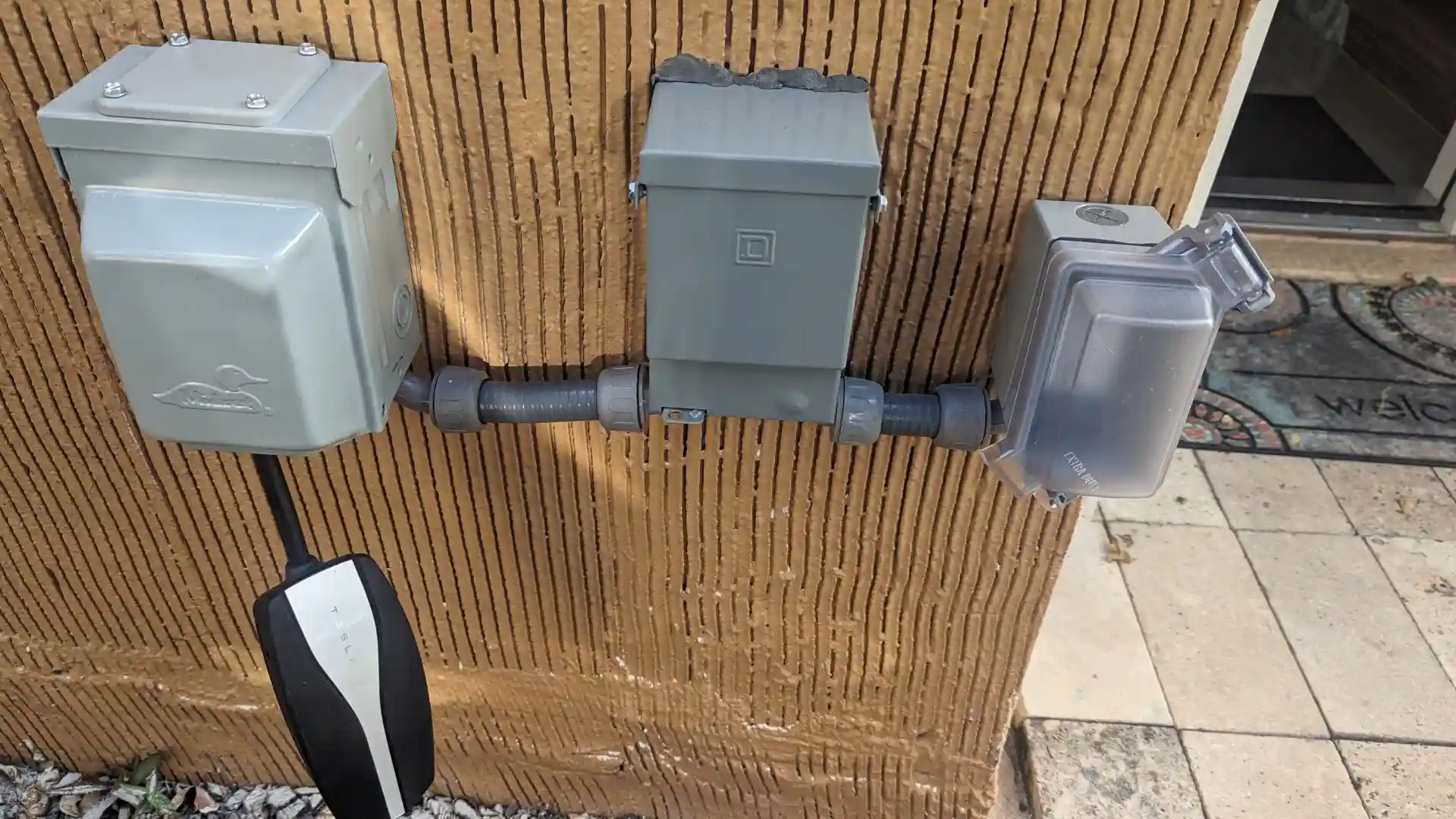
The most powerful charger available may provide more charging capability than your daily routine requires.
Your usual driving distance, time parked at home and vehicle’s charging capabilities all influence the appropriate setup. Someone who parks overnight after a short commute may have different needs from a driver who covers longer distances and has a limited charging window.
Home charging commonly uses Level 1 or Level 2 equipment. Level 1 generally uses a suitable 120-volt supply, while Level 2 typically uses a 240-volt supply and can replenish energy more quickly.
Charging speed also depends on what the vehicle can accept. Purchasing higher-output equipment will not make the car charge beyond its own limits.
Before choosing a model, discuss:
- Your typical daily mileage.
- How long the vehicle remains parked at home.
- Whether you expect to charge a second vehicle.
- Any planned electrical appliances or home improvements.
The goal is to define a charging arrangement that supports your routine and fits the property’s electrical system.
Can You Install an EV Charger Without Upgrading the Panel?
Some homes can support charging with their existing electrical service. They may still need a properly designed branch circuit and other installation work.
Where capacity is limited, an electrician may be able to evaluate alternatives before recommending a service upgrade.
Choosing an Appropriate Charging Output
A lower charging output may meet your needs while placing less demand on the electrical system.
This decision must be incorporated into the installation design. Changing an app setting yourself does not establish that a circuit or service is suitable. The equipment, configuration and protective devices need to work together as intended.
Evaluating Load Management
Compatible load-management equipment can control charging demand in relation to other electrical use.
The U.S. Environmental Protection Agency identifies load management and circuit-sharing systems as options to discuss with an electrician. Depending on the installation, these technologies may help make better use of existing capacity.
They are not suitable for every project. Compatibility, equipment instructions and applicable installation requirements still need to be checked.
An ordinary charging timer should not be assumed to provide the same protection as a properly designed load-management system.
When Might a Panel or Service Upgrade Be Needed?
An upgrade may become appropriate when the existing system cannot support the proposed charging arrangement and suitable alternatives do not meet the project’s needs.
The condition of the electrical equipment also matters. Damaged, unsuitable or deteriorated components may require attention independently of the additional charging load.
Future plans can influence the decision. A second EV, kitchen renovation or change to electric appliances may justify evaluating the property’s wider electrical needs before completing separate projects.
It helps to distinguish between replacing a panel and increasing the capacity of the electrical service. Replacing the panel alone does not necessarily increase the power available to the home.
If additional capacity is needed, My Angel Service’s electrical panel upgrade services in Miami provide a relevant next step for defining the required work.
Why the Charger’s Location Matters
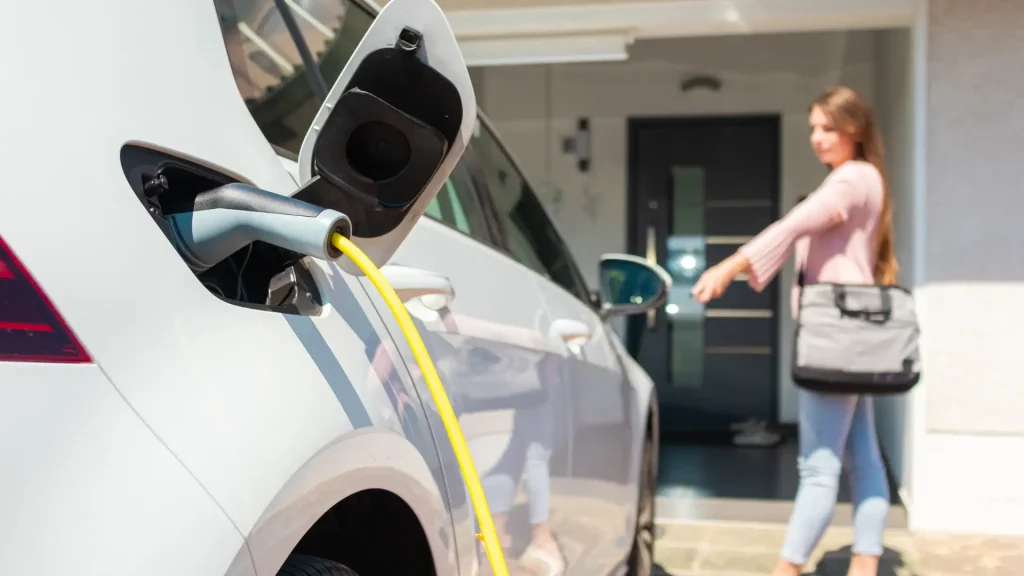
The distance between the electrical supply and your parking space can significantly affect the installation scope.
A garage with a nearby panel presents different routing questions from a driveway on the opposite side of the property. Walls, finished surfaces and outdoor exposure can influence how the circuit is installed.
The charging cable should comfortably reach the vehicle’s charging port in its normal parking position. Its placement should also account for pedestrian access and normal movement around the property.
For an outdoor installation in Miami, equipment selection and placement need to account for the location’s exposure to rain and other environmental conditions. The charger and associated components must be suitable for where they will be installed.
An assessment before purchase helps identify these practical issues while you still have flexibility over equipment and placement.
What Changes if You Live in a Condo?
A condominium installation usually requires additional planning because the parking space, electrical supply or cable route may involve shared property.
Before purchasing equipment, establish who controls the parking area and which electrical source could serve it. The association or property manager may also need information about the proposed route, installation scope and electricity billing arrangement.
A private charger connected to a unit’s supply presents different questions from charging equipment supplied through shared building infrastructure.
Ask about the building’s process early. Access arrangements and approvals can influence the project even when the electrical work itself appears straightforward.
What Should an EV Charger Installation Estimate Include?

A useful estimate should explain what work is proposed and the assumptions behind it.
Look for a clear description of the charging equipment, circuit installation and cable route. If panel modifications, load management or a service upgrade are included, the scope should explain their purpose.
The estimate should also identify responsibility for permits, inspections and any utility coordination that the project requires. Requirements depend on the location and work involved, so these details should be confirmed for the property.
Ask whether the scope includes:
- Supplying the charger or installing owner-provided equipment.
- Required panel or circuit modifications.
- Wall penetrations, trenching or other route-related work.
- Restoration of disturbed finishes.
- Equipment setup and commissioning.
Comparing these details helps explain why two proposals may differ. A short route to an existing suitable supply is a different project from an installation involving capacity changes and a distant parking area.
Plan Your Home EV Charger Installation in Miami
A home charging project starts with understanding the vehicle, the property and the available electrical supply. That assessment establishes whether the work can use existing capacity or requires additional changes.
My Angel Service provides EV charger installation services and can evaluate the electrical work needed for your proposed setup.
Contact My Angel Service with your vehicle or charger model, property type and intended charging location. The team can help define the installation scope before you commit to the equipment.
Frequently Asked Questions
Does a 200-amp service guarantee that I can install any home EV charger?
No. The service rating is only one part of the assessment. Existing loads, equipment condition and the proposed charging demand still need to be evaluated.
Can I use an existing 240-volt outlet?
Its voltage alone does not confirm suitability. An electrician should assess the circuit, receptacle, wiring and required protection against the charging equipment’s instructions before it is used.
Should I buy the charger before arranging an assessment?
An assessment first can help you choose suitable equipment and avoid installation surprises. If you already own a charger, provide its model and specifications so the electrician can evaluate the requirements.
Can a smart charger automatically prevent the need for an upgrade?
Smart features vary. Wi-Fi connectivity, scheduling and energy monitoring do not necessarily provide electrical load management. An electrician should verify the equipment’s capabilities and whether they address your installation’s limitations.
Does planning for a second EV mean installing two chargers now?
You can discuss future charging needs without committing to both chargers immediately. Planning the electrical capacity and cable routes early may help define a phased project and reduce unnecessary changes later.