


You start the microwave while the air fryer is running, and part of the kitchen loses power. After another interruption the following morning, you begin wondering whether the breaker needs replacing.
When your kitchen breaker keeps tripping, an overloaded circuit is one possible explanation. Several appliances may be drawing power from the same circuit, even when they are plugged into different outlets. An appliance fault or a wiring problem can also cause an interruption.
The pattern provides useful clues, but it cannot confirm the cause by itself. Understanding what was running, what lost power and whether there were other warning signs helps an electrician identify the right next step.
Why Different Kitchen Outlets May Share One Circuit
The number of outlets in your kitchen does not tell you how many circuits serve them. Two receptacles on different walls may be connected to the same branch circuit and protected by the same breaker.
That matters when several appliances operate together. An air fryer, toaster oven and electric kettle can each place a substantial demand on a circuit. Their combined demand may exceed what that circuit can safely supply.
Moving an appliance to another nearby outlet may leave it on the same circuit. A power strip or multi-outlet adapter adds connection points without increasing the capacity available.
The National Fire Protection Association explains that appliances used to heat food can draw significant amounts of electricity. A kitchen setup that worked for occasional appliance use may become inconvenient when several cooking devices are used at once.
What Can Cause a Kitchen Breaker to Trip?
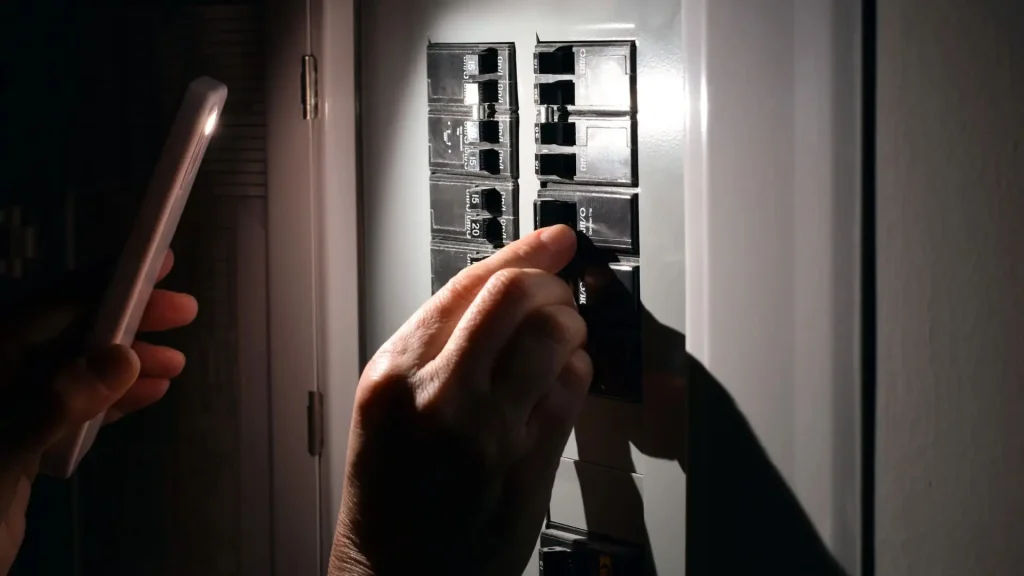
Too Much Demand on One Circuit
An overload becomes a possibility when interruptions occur while several appliances are operating together.
For example, the microwave may work normally on its own, but power goes out when another cooking appliance starts. That pattern is useful information for the electrician. It does not establish that every appliance, connection and protective device is in good condition.
The purpose of the assessment is to determine whether the problem comes from how the circuit is being used, an electrical defect or a combination of conditions.
A Problem With an Appliance
A damaged cord, internal component failure or another appliance defect can also cause protective equipment to operate.
If the interruption consistently happens when one particular appliance starts, mention that when arranging service. Avoid repeatedly trying the appliance in different outlets to reproduce the fault. An electrician can assess the electrical supply and advise whether the appliance also needs attention from a qualified appliance technician.
A Wiring, Connection or Protective-Device Issue
Loose or damaged connections, wiring faults and problems involving the breaker itself may require investigation.
Some circuits also have protection designed to respond to ground faults or electrical arcing. The Electrical Safety Foundation International explains that AFCI protection detects hazardous arcing conditions. An interruption therefore needs to be evaluated in the context of the equipment installed.
A recurring trip should not be dismissed as a sensitive breaker without checking what caused it.
Is the Breaker Tripping, or Is a GFCI Outlet Cutting Power?
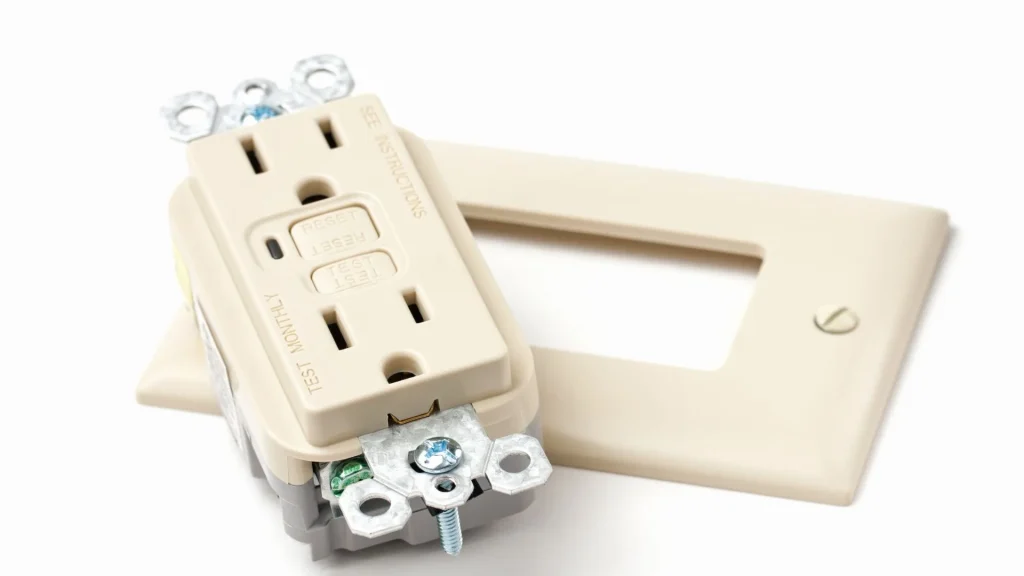
A loss of power at a kitchen outlet does not always mean that the panel breaker has tripped. A GFCI receptacle, commonly identified by its TEST and RESET buttons, may interrupt power to itself and other outlets connected downstream.
If you already noticed which device operated, share that information with the electrician. You do not need to remove a cover, open the panel or access wiring to investigate.
Describe the interruption in practical terms:
- which outlets stopped working,
- which appliances were operating and
- whether a breaker or receptacle appeared to have tripped.
That is more useful than guessing which component needs replacement.
Why Replacing the Breaker May Not Solve the Problem
A breaker replacement can be appropriate when a professional identifies a defective or unsuitable device. It will not resolve every cause of repeated kitchen interruptions.
If the circuit is overloaded, a replacement breaker with the same rating may continue to trip. If an appliance or wiring fault is responsible, that fault still needs attention.
Installing a higher-rated breaker requires an assessment of the wiring and the circuit as a whole. The breaker must be suitable for the conductors and equipment it protects. Increasing its rating simply to prevent interruptions can create a dangerous mismatch.
My Angel Service’s circuit breaker services in Miami provide an appropriate starting point for investigating recurring trips and determining whether repair, replacement or a change to the circuit is needed.
When Should You Consider a Dedicated Kitchen Circuit?
A dedicated circuit supplies a particular appliance or piece of equipment rather than sharing its available capacity with unrelated loads.
Whether you need one depends on the appliance, its installation instructions, the existing electrical arrangement and applicable requirements. An electrician should assess those factors before recommending new wiring.
A circuit assessment is especially useful when you are:
- Adding an appliance with specific electrical supply requirements.
- Replacing equipment with a model that has different power needs.
- Remodeling the kitchen or changing appliance locations.
- Experiencing recurring interruptions during normal kitchen use.
Adding outlets alone may not address the underlying limitation. The proposed work should account for what those outlets will supply and how the kitchen will be used.
For a Miami home with additions or past kitchen renovations, explaining what changed can help guide the evaluation. A new circuit may be appropriate, while another property may need a repair or an appliance issue resolved first.
What to Do When Your Kitchen Breaker Keeps Tripping
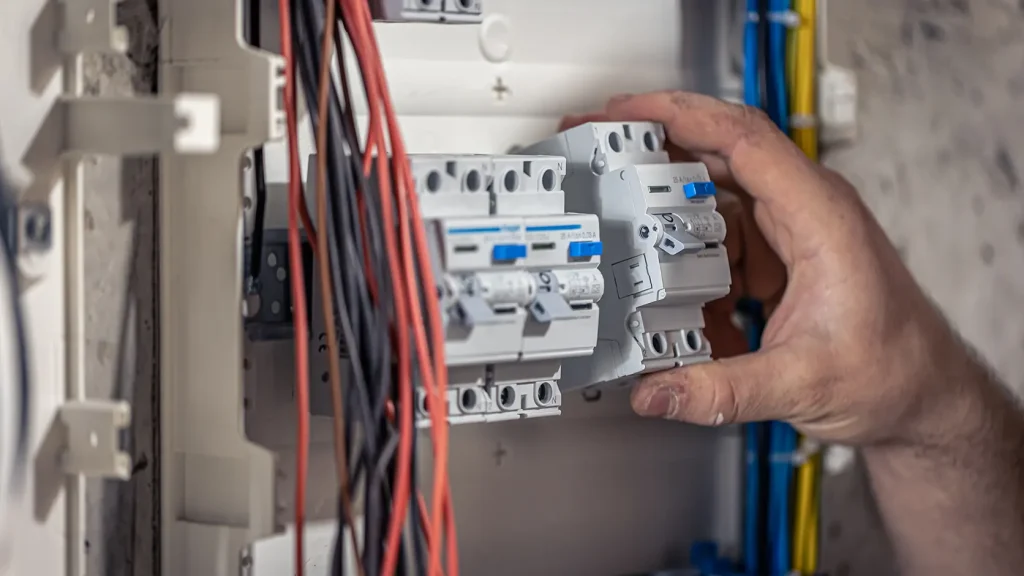
Avoid repeatedly resetting a device while continuing the same appliance combination. If a protective device trips again, stop using the affected equipment and arrange an evaluation.
Do not use extension cords or adapters to move cooking appliances around the room as a workaround. ESFI recommends plugging appliances directly into wall outlets and identifies frequent breaker trips among the warning signs of an overloaded electrical system.
Arrange prompt professional help if you notice:
- Burning odors, smoke or visible scorching.
- Sparking, crackling or unusual buzzing.
- Damaged cords or discolored receptacles.
- A shock or tingling sensation when touching an appliance.
Keep away from equipment showing signs of damage. If there is smoke or an active fire, leave the area and call 911.
For recurring interruptions without an active emergency, electrical repair service in Miami can help identify the fault and define the necessary work.
What to Tell the Electrician Before the Visit
You do not need to diagnose the problem before requesting service. A short description of what happened is enough to start.
Useful details include the appliances operating at the time, whether the interruption happened immediately or after several minutes, and which outlets or lights lost power. Mention any recent appliance installation or kitchen renovation.
If a model number or appliance label is readily accessible, it may also help. Avoid moving heavy equipment, opening electrical enclosures or recreating the fault to collect information.
Get Help With Recurring Kitchen Electrical Interruptions
If your kitchen breaker keeps tripping, the next step is to establish why. The solution may involve an appliance, a circuit repair or additional capacity for the way you use the kitchen.
My Angel Service can assess recurring electrical interruptions in Miami and explain the appropriate repair or installation options.
Contact My Angel Service with a description of what was running and what lost power. That information helps the team understand your concern before the visit.
Frequently Asked Questions
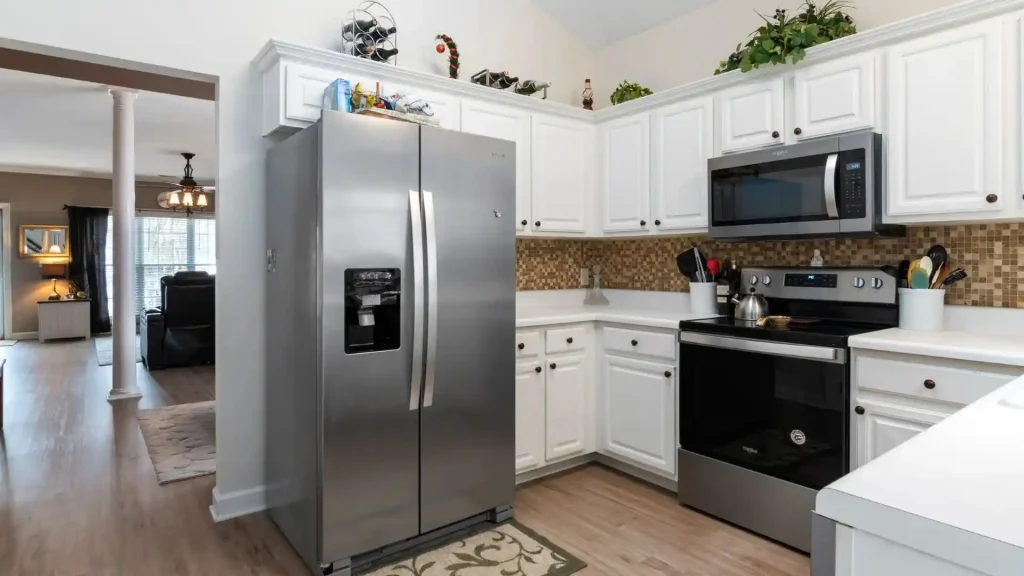
Can an air fryer and microwave run on the same circuit?
That depends on their electrical demand, other connected loads and the circuit’s capacity. Separate outlets may still share a circuit. If using the appliances together causes a trip, stop repeating that combination and have the circuit assessed.
Does a new appliance mean I need an electrical panel upgrade?
A new appliance does not automatically require a panel upgrade. An electrician should review the equipment requirements, existing circuits and available capacity. The work may be limited to a branch circuit or another specific issue.
Can a power strip stop my kitchen breaker from tripping?
A power strip does not increase circuit capacity. Connecting cooking appliances through one can introduce additional risks. Follow the appliance manufacturer’s instructions and use suitable wall receptacles.
Should I replace an old breaker just because of its age?
Age alone does not establish why a breaker is tripping. Its condition, compatibility and the circuit it protects need to be evaluated. Replacing it without identifying the cause may leave the original problem unresolved.
What if my kitchen loses power but the breaker appears to be on?
A tripped GFCI or another electrical fault may be involved. Avoid opening covers or touching wiring. Tell the electrician which outlets are affected and whether you noticed any protective device operate.